Constructing a Deck Affordably: Cost-Effective Options for Home Owners
Constructing a deck affordably is a practical concern for numerous property owners. They often face challenges in balancing quality with cost. By considering budget-friendly materials and strategic design options, it's possible to create a stylish outdoor space without overspending. Gaining insight into budgeting strategies and maintenance needs can add significant value to the project. Achieving a stunning deck starts with well-informed choices that meaningfully impact the final result. Which approaches will produce the most favorable outcomes?
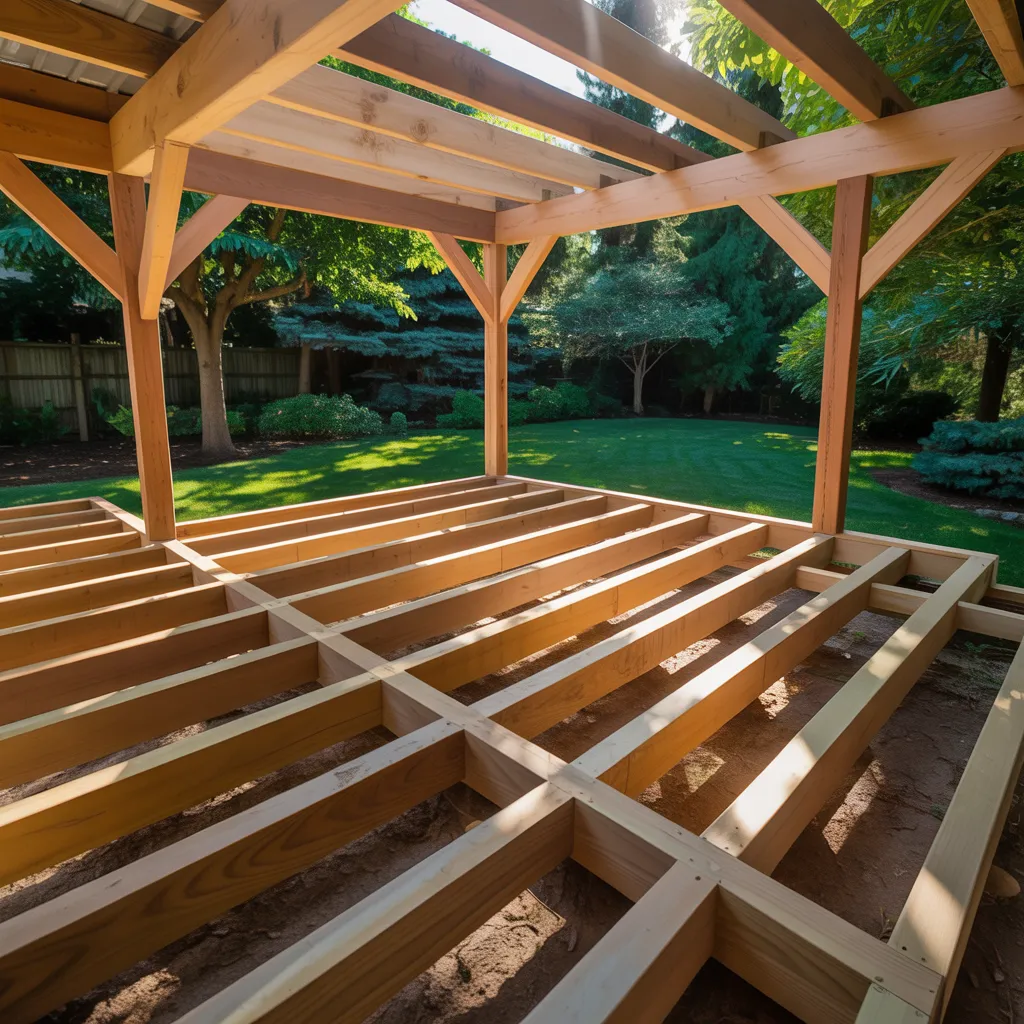
Selecting Affordable Decking Materials
When thinking about a deck renovation, homeowners often focus on affordability without giving up quality. A key factors influencing budget constraints is the selection of decking materials. Pressure-treated wood remains a popular option due to its cost-effectiveness and durability. It requires periodic maintenance but offers a natural aesthetic that many homeowners value. Composite materials, while initially more expensive, can provide long-term savings through lower maintenance requirements and a longer lifespan. Another viable choice is recycled plastic lumber, combining durability with eco-friendliness. Furthermore, options like PVC decking, which delivers resistance to decay and color loss. The choice of material is also influenced by climate considerations, as some options perform better in specific weather conditions. Ultimately, the choice of decking material should align with both financial constraints and the desired longevity of the deck, guaranteeing a harmonious relationship between expense and long-term worth.
DIY Ideas for Cost-Effective Deck Designs
Revamping a yard with a cost-effective deck concept can be both satisfying and budget-conscious. Homeowners looking to build a stunning backyard retreat can kick off by going with uncomplicated geometric forms, which limit wasted materials and labor costs. Utilizing recycled timber or wooden pallets can significantly increase cost savings while adding character to the design.
Integrating integrated seating can maximize space and minimize the need for unnecessary furniture, while planters can be incorporated into the deck's design for a hint of greenery. Homeowners can also consider incorporating concrete blocks or pavers for a sturdy foundation, creating a unique and long-lasting surface.
DIY projects like staining or painting the deck allow homeowners to add character without overspending. Additionally, reviewing local building codes and guidelines helps keep the project within legal requirements and avoids surprise expenditures. With careful planning, a beautiful, budget-friendly deck is within reach.
Smart Budgeting Strategies for Your Deck Project
Proper budgeting is crucial for a successful deck project, helping homeowners accomplish their goals without going over budget. As a first step, defining a clear budget is important; homeowners should determine a maximum amount they are willing to spend before beginning the planning process. This figure should account for materials, labor, and any unexpected costs.
Moreover, ranking features enables homeowners to direct their attention to the most important aspects of their deck, guaranteeing that vital features remain within the allocated budget. Exploring local suppliers can result in more competitive material pricing, while comparing quotes from contractors can lead to significant savings on labor costs.
Moreover, creating a thorough list of required materials and expenditures aids in tracking costs throughout the renovation. Property owners should also consider reserving a contingency fund, typically around 10% of the total project budget, to account for unanticipated expenditures that may occur during the construction process.
Budget-Friendly Alternatives to Deck Features
Although many homeowners dream of premium features for their decks, there are numerous cost-effective alternatives that can create a comparable look without straining the budget. For instance, opting for composite decking can offer the aesthetic of wood without the ongoing care, while remaining more cost-efficient in the long term. Instead of expensive built-in seating, homeowners can opt for weather-resistant outdoor seating or handmade benches crafted from salvaged materials.
Railings represent another opportunity for cost savings; choosing straightforward cable railings or treated wood over elaborate metal alternatives can preserve both safety and style. Lighting can be enhanced with solar-powered fixtures, offering ambiance without the installation costs of electric systems. To finish, decorative elements like potted plants or outdoor rugs can bring character and warmth, proving that creativity can substitute for cost in achieving a desirable outdoor space.
Budget-Friendly Deck Maintenance Tips
Regular maintenance is essential for increasing the longevity of a deck without spending a fortune. Homeowners can start by routinely cleaning the surface with a solution of soap and water, which works to prevent mold and mildew accumulation. Using a stiff-bristle brush can thoroughly clear away dirt, ensuring a clean appearance.
Checking the deck routinely for loose boards or protruding nails is vital. Timely repairs can prevent more significant issues and prove cost-effective in the future. Applying a protective sealant every few years is an economical way to defend against environmental damage, enhancing the deck's longevity.
Additionally, keeping plants and furniture off the deck can reduce wear and tear. Homeowners should also store cushions and accessories indoors during extreme weather to maximize their useful life. By applying these easy yet valuable upkeep suggestions, residents can sustain a stunning and practical deck without incurring excessive costs.
Maximizing Small Spaces With Budget-Friendly Decks
Imagination plays an essential role in reimagining limited exterior spaces into welcoming deck spaces that maximize utility and aesthetics. Homeowners can achieve this by incorporating compact, multifunctional furniture, which enables relaxation and entertainment without overwhelming the space. Incorporating vertical greenery can enhance visual appeal and offer lush vegetation without consuming valuable floor area.
Integrating integrated seating and storage options can additionally improve functionality, guaranteeing that every square foot is used efficiently. Using lighter-hued materials can establish an illusion of space, allowing the area to feel more open and expansive.
Moreover, property owners should think about modular designs that can be readily adjusted for various events, providing versatile functionality. Straightforward lighting options, such as string lights or lanterns, can elevate the atmosphere without taking up valuable space. All things considered, careful design decisions and cost-effective materials allow property owners to craft enjoyable deck areas that suit their individual preferences, even in small spaces.
Frequently Asked Questions
How Do I Fund My Deck Project When Working With a Tight Budget?
To cover the expenses of a deck project on a limited budget, one might consider low-interest credit cards, personal loans, or grants from local government programs. Additionally, considering phased construction methods or DIY alternatives can make it easier to keep expenses under control.
What Permits Are Needed for Deck Construction?
To install a deck, a homeowner typically requires a building permit, which guarantees compliance with local codes. Further permits may be needed for electrical or plumbing work, based on the scope and learn the details location of the project.
How Long Will My Budget Deck Last?
A standard deck generally has a lifespan of a decade to 15 years, based on the materials used and upkeep. Elements including environmental conditions, utilization, and construction standards also greatly influence the lifespan of the deck. Regular upkeep can extend its lifespan.
Is Building a Deck in Winter Possible?
Indeed, it is possible to install a deck during the winter months, but it requires careful planning. Cold temperatures can influence materials and curing times, so using suitable techniques and tools is crucial for successful construction during this season.
Which Tools Are Essential for a Cost-Effective Deck Project
Must-have tools for a cost-effective deck project include a saw, drill, level, measuring tape, square, and safety gear. These tools ensure accuracy and protection while keeping expenses low, allowing for effective construction without overspending.